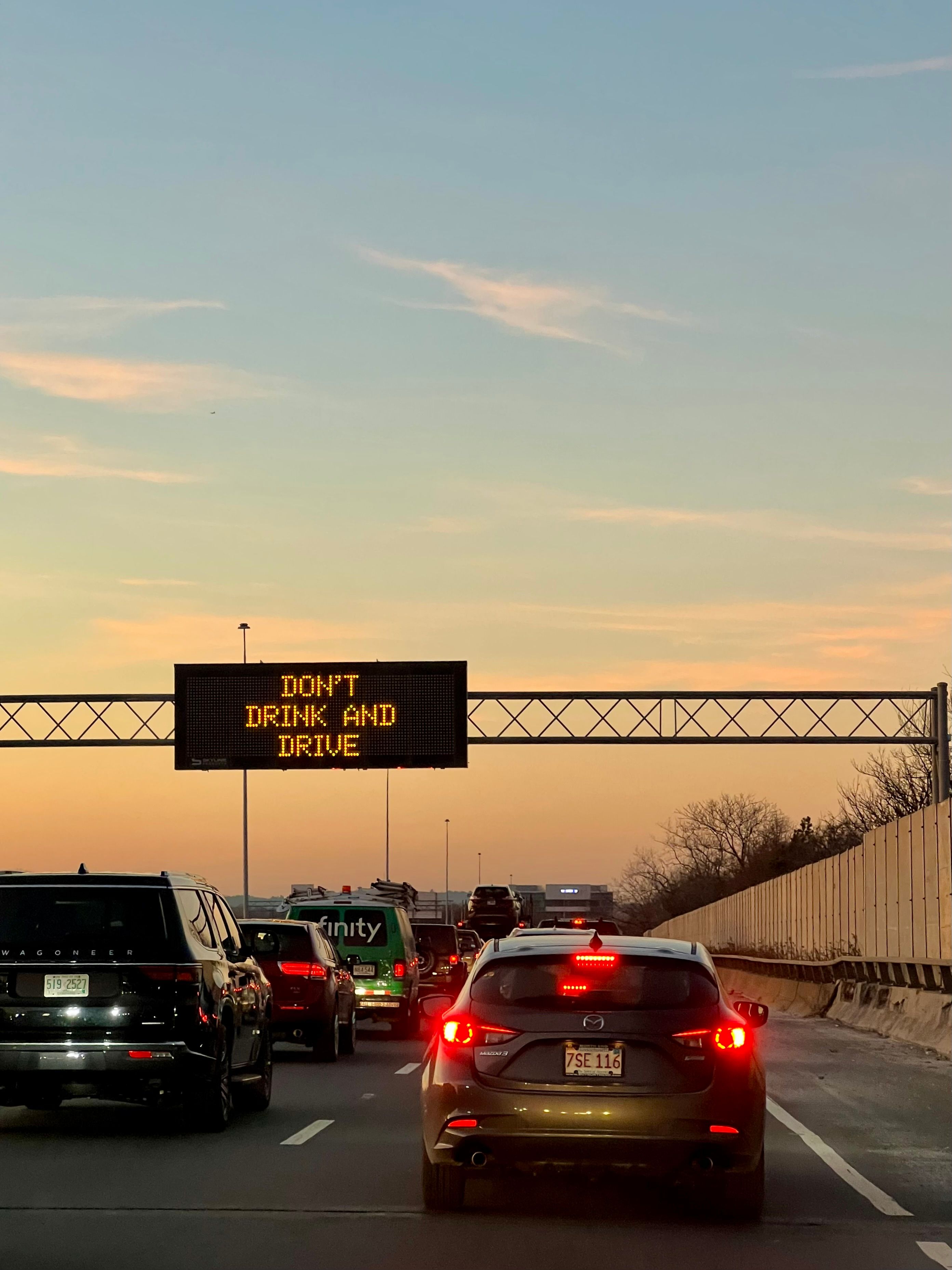
Beating a DWI charge in Minnesota is simply a matter of holding the government to its burden of proof. Law enforcement and prosecutors must follow strict legal procedures at every step. When they don't, the evidence against you can be challenged and suppressed, often leading to the case being thrown out entirely.
Minnesota’s impaired driving provisions now include more that 58 pages in our criminal code book, making it by far the most complicated law on the books. Those 58 pages are filled with special rules that only apply to one kind of case and all but the most experienced and specialized officers are able to negotiate them successfully. But there are 58 pages of opportunities for them to mess up.
An experienced DWI defense attorney knows exactly where to look:
- Traffic stop: Every DWI case starts with a traffic stop. For that stop to be legal, the officer must have had a legally justified reason to pull you over. If the stop was based on a hunch, a mistake, or a pretextual reason that doesn't hold up legally, everything that followed — the field sobriety tests, the arrest, the chemical test — may be inadmissible.
- Field sobriety tests: If you were required to submit to field sobriety tests, these are not foolproof. The three standardized tests — the Horizontal Gaze Nystagmus, Walk-and-Turn, and One-Leg Stand — have known limitations and must be administered according to specific NHTSA guidelines to be considered evidence at all. A test administered incorrectly, or results interpreted without accounting for other variables (e.g., medical conditions, road surface, footwear, nerves) can be effectively challenged in court.
- Breath, blood, and urine tests: Breath, blood, and urine tests are the cornerstone of most DWI prosecutions — but they are not infallible. Medical conditions like GERD or acid reflux may interfere with the accuracy of a breath test. If a device is not properly calibrated, blood was stored improperly, or improper collection procedures were used, this can lead to the evidence being inadmissible.
A successful defense doesn't always mean a full dismissal. Depending on the facts of your case, a favorable outcome might be:
- Charges dismissed due to suppressed evidence
- Reduction to a lesser charge such as careless driving
- A stayed sentence with no jail time or criminal record
- Acquittal at trial
Each of these outcomes can meaningfully protect your record, your license, and your future.
The prosecution is not going to identify weaknesses in their own case and hand them to you. DWI defense requires reviewing squad car footage, body worn camera videos, officer training records, breath test calibration logs, and lab documentation — materials most people don't know to request and wouldn't know how to interpret. Public defenders simply don’t have the time or resources to devote to leaving no stone unturned in your case. In addition, public defenders in Minnesota are precluded from filing license revocation challenges, which means even if you win, you lose.
Hiring an experienced private attorney gives you the best possible chance at a future that isn’t defined by your past.

