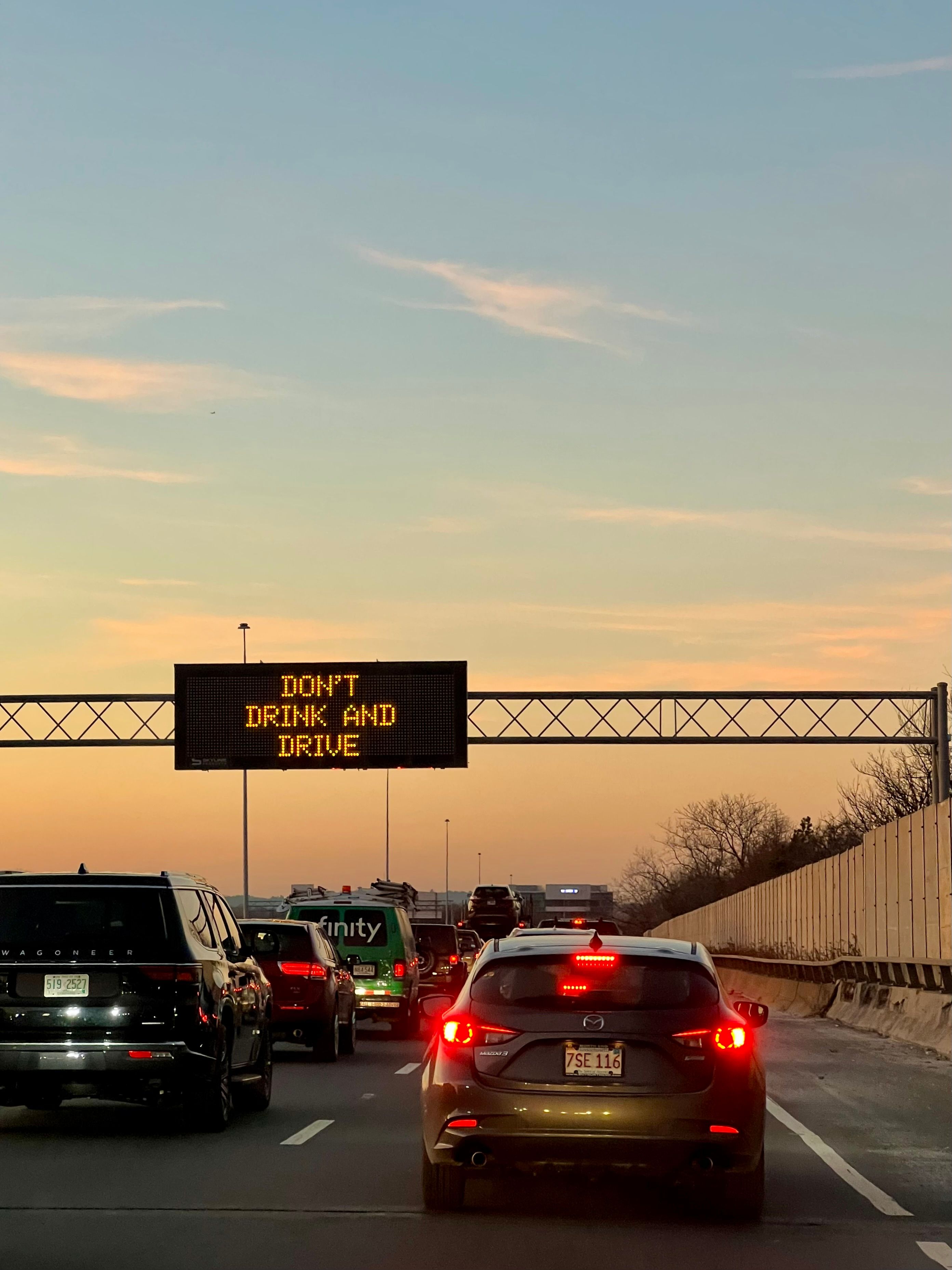
If you were arrested for DWI in Minnesota and this is your first offense, there's a good chance you're facing a fourth-degree DWI charge. It's the least serious of Minnesota's four DWI degrees — but "least serious" doesn't mean minor. A fourth-degree conviction still means a permanent criminal record, a driver's license revocation, and under a law that took effect in 2025, a mark that can follow you for two decades.
Here’s what you need to know if you were charged with a fourth-degree DWI:
What is fourth-degree DWI in Minnesota?
Under Minn. Stat. § 169A.27, a fourth-degree DWI is a DWI with no aggravating factors present. It's the default, baseline charge.
In practice, that means all of the following are typically true:
- No qualified prior impaired driving incident within the past 10 years
- Blood alcohol concentration (BAC) below 0.16%
- No child under 16 in the vehicle (who is more than 36 months younger than the driver)
- No refusal to submit to chemical testing
If any one of those factors changes — say, your BAC comes back at 0.17%, or you have a prior DWI within the lookback window — the charge can be enhanced to a more serious offense with more serious penalties.
Penalties for fourth-degree DWI
Fourth-degree DWI is a misdemeanor in Minnesota. If you are convicted, you may face the following penalties:
- Up to 90 days in jail (though jail time is uncommon for a true first offense with no aggravating factors), and
- a fine of up to $1,000.
What happens to your driver’s license when charged with a fourth-degree DWI?
If charged with a DWI, your license will be revoked. For a standard fourth-degree DWI (BAC under 0.16%, first offense), you're typically looking at:
- A 90-day license revocation, starting after your fourteen-day temporary license expires
- Eligibility for a limited license after 15 days, allowing driving to work, school, treatment, and other approved destinations
- The option to install an ignition interlock device instead of serving out the full revocation, which can restore closer to full driving privileges sooner
The criminal and civil processes run on separate tracks, so it's possible to resolve the criminal charge favorably and still be stuck with license consequences. That’s why both sides of the case need attention from the start from your attorney, and time is very limited to fight your civil case.
The 20-year-lookback
On August 1, 2025, Minnesota changed its DWI laws. One of the changes extended the “lookback period” (the window used to determine whether a prior offense counts against you) from 10 to 20 years. This new, longer lookback period only applies to license revocations, not criminal liability.
Having a prior offense is an aggravating factor for a DWI, so if you are charged with a second DWI in the next 10 years, you’re automatically looking at a gross misdemeanor charge which carries heavier consequences. But since the most crippling consequence many drivers face is the loss of driving privileges, the new 20-year lookback period for those and the much longer revocation periods are catastrophic.
—
It's tempting to treat a fourth-degree DWI as a case to just plead to — it's a misdemeanor, jail is unlikely, and the fine is modest compared to higher-degree charges. But a criminal conviction is permanent. It shows up on background checks, affects your insurance rates for years, and — as of the 2025 changes — can stay relevant to your record for far longer than it used to.
A first-time DWI is also often the best opportunity to fight a case, before any prior conviction complicates your options down the line. Working with an attorney early can mean the difference between a conviction that follows you for decades and a resolution that lets you move forward. As we say at Sheridan & Dulas, P.A., the only way to guarantee you will never have a second DWI is to make sure the first one never makes its way onto your record.
Schedule a free consultation below to start the process of building your defense: